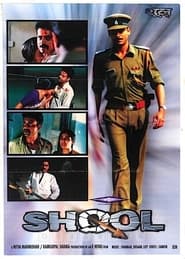
“Shool 1999” is a hard-hitting Hindi action drama about the corrupt system and its impact on a conscientious police officer. The movie follows the story of Inspector Samar Pratap Singh, who takes on the entire corrupt education mafia in a small town, just like David against Goliath. The film exposes the rampant corruption in Indian society, burning like a flame that cannot be put out, and leaves you with a bitter aftertaste of despair and helplessness.
CLICK HERE⇟⇟⇟🎞️_Watch Shool 1999 English Subtitles_
Review
As a researcher and storyteller, I am always intrigued by movies that delve deep into society’s ills and injustices. One such movie that caught my attention was the 1999 Indian film, “Shool.”
“Shool” is a gripping tale of corruption, power dynamics, and brutality in rural India. The movie traces the story of an honest police officer named Samar Pratap Singh (played brilliantly by Manoj Bajpayee), who is transferred to a small town called Madhavgarh.
The small town is ruled by Bachhu Yadav (Sayaji Shinde), a local politician who has his hands in every illegal activity imaginable. Yadav’s reign of terror extends to the police force, bureaucracy, and even the judiciary.
Samar soon realizes that he must fight not only Yadav but also the entire system that nurtures and protects him. He faces opposition from his own colleagues, who are either corrupt or too afraid to take on Yadav’s might.
The movie’s plot is intense and keeps you on edge throughout its duration. The director Eeshwar Nivas has done a fantastic job of portraying the stark reality of rural India’s politics and power dynamics.
The dialogues are crisp and impactful, especially those delivered by Bajpayee. His monologue in the climax scene is one of the most memorable moments in Hindi cinema history. It leaves you with goosebumps as he challenges societal norms through his words.
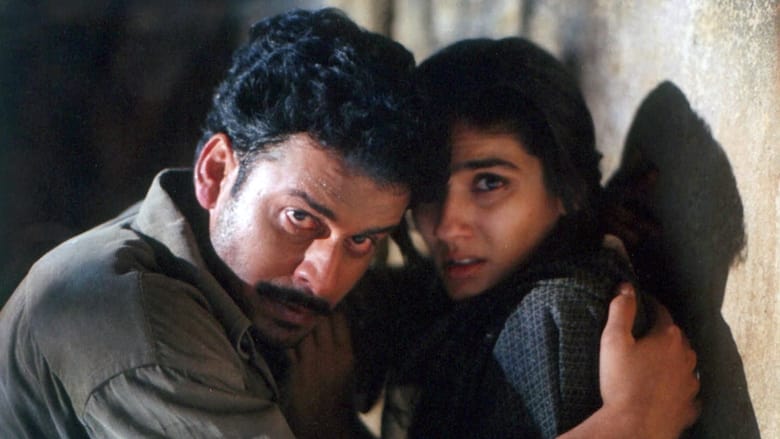
The supporting cast adds depth to the story, with Raveena Tandon playing an essential role in Samar’s life as his wife Manjari. In contrast, Neeraj Vora delivers some comic relief as Pandey Ji, Samar’s assistant.
One of the unique aspects of “Shool” is its musical score. The soundtrack composed by Shankar-Ehsaan-Loy blends seamlessly with the narrative and adds weight to each scene. The song “Jab Deep Jale Aana” sung by Sukhwinder Singh is a haunting melody that lingers with you long after the movie ends.
The film’s success can be attributed to its strong screenplay, direction, and unforgettable performances. It won critical acclaim and several accolades, including National Film Award for Best Feature Film in Hindi, Best Actor for Bajpayee, and Best Screenplay award.
However, “Shool” was not without controversy. The movie’s depiction of caste-based violence and corruption highlighted uncomfortable truths about Indian society that some groups found offensive. Nevertheless, it sparked a much-needed conversation about these issues.
In conclusion, “Shool” is a harsh reality check on contemporary India that needs to be acknowledged. The movie doesn’t shy away from showing the ugly truth of power dynamics and corruption prevalent in rural society. It is an intense watch that leaves you with a mix of emotions – anger, frustration, hopelessness but also inspires change. I highly recommend this film to anyone who wants to understand India’s social realities beyond Bollywood’s glamour and glitz.
Technical Data
- Runtime : 142
- Release : 1999-11-04
- Genre : Action, Crime
- Cast : Manoj Bajpayee as Inspector Samar Pratap Singh, Sayaji Shinde as Bacchu “Bhaiyyaji” Yadav, Raveena Tandon as Manjari Singh, Shilpa Shetty Kundra as Item Girl, Nawazuddin Siddiqui as Waiter
- Crew : Ram Gopal Varma as Screenplay, Ram Gopal Varma as Producer, Ram Gopal Varma as Story, Anurag Kashyap as Dialogue, Shankar Mahadevan as Original Music Composer
- Popularity 3.804
- Budget : $310,000
- Revenue : $2,300,000
- Company : RGV Film Factory
- Summary : Police Inspector Samar Pratap Singh is transferred to Motihari, in the Indian state of Bihar, along with his wife, Manjari and a daughter. He is honest and diligent and these attributes sets him up against his superior – the District Superintendent of Police, as well as his subordinates and fellow officers.
- Tagline :
