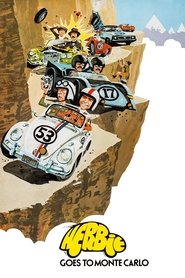
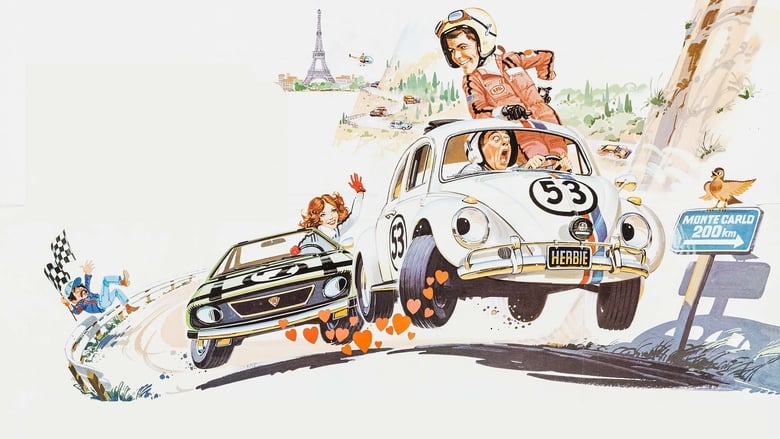
In “Herbie Goes to Monte Carlo,” a spunky Volkswagen Beetle named Herbie races through the picturesque streets of Monte Carlo, competing for the title against fierce opponents. With a love story brewing between Herbie and a sleek Lancia, the race becomes more than just a competition – it’s a romantic adventure. Will Herbie cross the finish line first and win both the race and the heart of his love interest? Watch to find out!
CLICK HERE🡇🡇🡇📺_Watch Herbie Goes to Monte Carlo 1977 English Subtitles_
Review
Dan Ariely is a renowned behavioral economist who has a knack for analyzing human behavior and decision-making. With his unique perspectives, he can make sense of why we do what we do and how our actions are influenced by the world around us. So, when it comes to analyzing the classic movie “Herbie Goes to Monte Carlo,” it only makes sense to approach it through the lens of Dan Ariely’s expertise.
“Herbie Goes to Monte Carlo” is a 1977 movie about a Volkswagen Beetle named Herbie who competes in the famous Monte Carlo Rally. The movie follows Herbie as he is shipped to France for the rally and meets his new driver, Jim Douglas (played by actor Dean Jones). Alongside Jim, Herbie takes on rival racers and falls in love with another car named Giselle (voiced by Julie Sommars). With a cast of beloved characters and thrilling race scenes, “Herbie Goes to Monte Carlo” has become a fan favorite over the years.
One of the most impressive things about “Herbie Goes to Monte Carlo” is its ability to capture audiences’ attention despite being a sequel. Following the success of “The Love Bug,” which also featured Herbie, many people were unsure if this second installment would live up to its predecessor’s expectations. Despite these doubts, “Herbie Goes to Monte Carlo” managed to maintain its charm and captivate audiences worldwide.
Part of what makes this movie so endearing is its unique storyline. The idea of a sentient car competing in races might seem far-fetched, but it works surprisingly well. As Dan Ariely would likely point out, this unconventional story appeals to our desire for something different and unexpected. It helps us see things from a new perspective and challenges our established beliefs about what movies should be like.
Another factor that adds depth and intrigue to this movie are its characters. Jim Douglas is an affable hero who is easy to root for. Herbie, of course, steals the show with his quirky personality and lovable quirks. But even the supporting cast, like Giselle, add nuance and depth to the story. These characters are relatable and human, despite not being human at all.
In terms of production, “Herbie Goes to Monte Carlo” is impressive. The movie features stunning landscapes of France and an impressive score that adds drama and excitement to the race scenes. The editing is tight and efficient, ensuring that audiences are never bored or confused. Even today, it’s clear that this movie was made with care and attention to detail.
But perhaps one of the most interesting things about “Herbie Goes to Monte Carlo” is how it fits into history. Made in 1977, this movie was released during a time when people were beginning to question their relationship with technology. As Dan Ariely would likely note, this movie plays on these concerns by making technology appear friendly and lovable – something we should cherish rather than fear.
The popularity of “Herbie Goes to Monte Carlo” cannot be understated. It inspired a whole franchise of similar movies that followed Herbie’s adventures over multiple years. Today, it still holds a special place in many people’s hearts as a classic family-friendly movie that appeals to all ages.
Another reason why this movie has remained popular for so long is its ability to evoke strong emotions from viewers. Whether you’re laughing at Herbie’s antics or cheering him on during his races, you’ll find yourself emotionally invested in this story from start to finish.
Critics have also given “Herbie Goes to Monte Carlo” high praise throughout the years. Although some might dismiss it as silly or childish due to its plotline involving sentient cars, others recognize its deeper themes about acceptance and friendship. Dan Ariely would likely appreciate how this movie challenges audiences’ preconceived notions of what constitutes a meaningful story and encourages us to embrace the unconventional.
Of course, no movie is perfect. Some might criticize “Herbie Goes to Monte Carlo” for being too formulaic or predictable. Others might argue that the special effects and cinematography have not aged well. However, these criticisms do little to detract from the sheer fun and enjoyment that this movie brings.
In conclusion, “Herbie Goes to Monte Carlo” is a timeless classic that continues to captivate audiences today. It’s an entertaining story that challenges our established beliefs about what makes a compelling movie. Through its lovable characters, thrilling races, and stunning production value, this movie proves that sometimes it’s the little things – like a sentient car – that can make all the difference.
Technical Data
- Runtime : 105
- Release : 1977-06-24
- Genre : Romance, Comedy, Family, Action, Adventure
- Cast : Dean Jones as Jim Douglas, Don Knotts as Wheely Applegate, Julie Sommars as Diane Darcy, Jacques Marin as Inspector Bouchet, Roy Kinnear as Quincey
- Crew : Ron Miller as Producer, John B. Mansbridge as Production Design, John B. Mansbridge as Art Direction, Cotton Warburton as Editor, Robert J. Schiffer as Makeup Artist
- Popularity 14.293
- Budget : 0
- Revenue : $29,000,000
- Company : Walt Disney Productions
- Summary : Herbie, the Volkswagen Beetle with a mind of its own, is racing in the Monte Carlo Rally. But thieves have hidden a cache of stolen diamonds in Herbie’s gas tank, and are now trying to get them back.
- Tagline : The Love Bug falls ‘hood-over-wheels’ for a classy chassis!
