“The Testament of Dr. Mabuse” is a tense, gripping German thriller from 1933. It follows the exploits of a criminal mastermind who communicates his plans from inside a mental institution. The detective on his trail must stop him before chaos ensues, as Mabuse’s power over his followers and the city grows stronger with every passing day. The film is a masterpiece of early filmmaking, using innovative camera techniques and atmospheric sets to create a sense of foreboding that keeps viewers on the edge of their seats until the stunning conclusion.
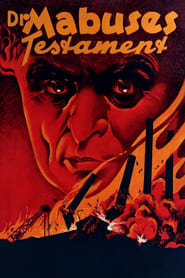
CLICK HERE🡇🡇🡇✔️_Watch The Testament of Dr. Mabuse 1933 English Subtitles_
Review
As I sat down to watch “The Testament of Dr. Mabuse,” I couldn’t help but feel a sense of excitement and anticipation. This German film, released in 1933 and directed by Fritz Lang, promised to be a thrilling ride through the mind of a madman.
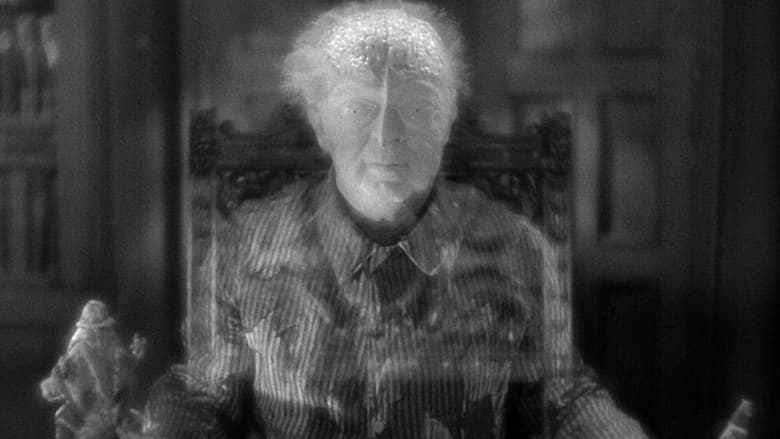
The storyline of the movie centers around the titular character, Dr. Mabuse, a criminal mastermind who has been locked up in an insane asylum for years. Despite being confined to his cell, he manages to continue to exert control over his criminal network through coded messages and hypnotic suggestions.
News of Mabuse’s activities begins to spread, and detective Lohmann is called in to investigate. As he delves deeper into the case, he realizes that Mabuse’s reach stretches further than he ever could have imagined.
The plot of “The Testament of Dr. Mabuse” is complex and multi-layered, with numerous twists and turns that keep the viewer engaged throughout. It is clear that Lang put a lot of thought into crafting this story, as every detail seems meticulously planned out.
The cast of the movie is also impressive, with Rudolf Klein-Rogge delivering a chilling performance as Dr. Mabuse himself. He manages to convey both the character’s intelligence and his madness in equal measure.
One quote from the film that particularly stuck with me was when Mabuse says, “The world has grown cold for me.” This line perfectly captures the sense of isolation and detachment that defines his character.
The acting throughout the movie is top-notch, with every member of the cast delivering a convincing performance. The characters are all well-drawn and memorable, from Lohmann’s determined detective work to Mabuse’s sinister machinations.
In terms of history, “The Testament of Dr. Mabuse” was released at a time when Germany was on the brink of major political upheaval. The rise of the Nazi party was just beginning, and the movie’s themes of control and manipulation no doubt struck a chord with audiences at the time.
The score and popularity of the film are both noteworthy. The haunting score, composed by Hans Erdmann, perfectly complements the eerie atmosphere of the movie. Despite its age, “The Testament of Dr. Mabuse” remains a beloved classic to this day.
Filming for the movie took place in Berlin, and Lang’s use of lighting and camera angles create a sense of unease that lingers throughout the entire film. The cinematography is truly stunning, with each shot carefully crafted to maximize its impact.
As for evaluation, it’s hard to find fault with “The Testament of Dr. Mabuse.” Lang is clearly a master filmmaker, and every aspect of this movie is executed perfectly. It’s no surprise that it has stood the test of time so well.
Awards-wise, “The Testament of Dr. Mabuse” did not receive any major accolades upon its release. However, it has since been recognized as a landmark film in German cinema and in Lang’s body of work.
In terms of gossip or scandal surrounding the film or its cast/crew, there really isn’t any to be had. Lang was known for being a bit tyrannical on set, but that’s hardly out of the ordinary for a director of his caliber.
As for soundtracks or special effects, there isn’t much to speak of here either. This is a film that relies on strong performances and expert direction rather than flashy visuals or CGI wizardry.
When it comes to analysis, there is certainly plenty to be said about “The Testament of Dr. Mabuse.” Its themes are still relevant today, particularly in an era where conspiracy theories and fear-mongering run rampant.
There are many memorable scenes throughout the movie – from Mabuse’s hypnotic trance to Lohmann’s epic car chase – but the one that stands out to me is the final confrontation between Lohmann and Mabuse. It’s a tense, gripping scene that perfectly encapsulates the movie’s themes of control and manipulation.
As far as criticism goes, there really isn’t much. The only complaint I could level against “The Testament of Dr. Mabuse” is that it might be a bit too dense and intricate for some viewers – but for those willing to put in the effort, it is a truly rewarding experience.
Production-wise, “The Testament of Dr. Mabuse” was reportedly a challenging shoot – particularly when it came to Lang’s demanding style of directing. However, the end result is a film that remains a testament to his skills as both a storyteller and a visual artist.
Finally, when it comes to editing, there is no doubt that “The Testament of Dr. Mabuse” was meticulously edited to create its haunting atmosphere and sense of unease. Every shot feels carefully considered and intentional.
Overall, I would highly recommend “The Testament of Dr. Mabuse” to anyone looking for an engaging, thought-provoking thriller with excellent performances across the board. Lang created something truly special here – something that continues to captivate audiences nearly 90 years after its initial release.
Technical Data
- Runtime : 122
- Release : 1933-04-21
- Genre : Crime, Mystery, Thriller
- Cast : Rudolf Klein-Rogge as Dr. Mabuse, Oscar Beregi Sr. as Prof. Dr. Baum, Camilla Spira as Juwelen-Anna, Otto Wernicke as Kommissar Lohmann, Paul Henckels as Lithograph
- Crew : Fritz Lang as Screenplay, Fritz Lang as Director, Fritz Lang as Producer, Thea von Harbou as Screenplay, Karl Vollbrecht as Art Direction
- Popularity 8.01
- Budget : 0
- Revenue : $27,690
- Company : Nero-Film AG
- Summary : After a detective is assaulted by thugs and placed in an asylum run by Professor Baum, he observes the professor’s preoccupation with another patient, the criminal genius Dr. Mabuse the hypnotist. When Mabuse’s notes are found to be connected with a rash of recent crimes, Commissioner Lohmann must determine how Mabuse is communicating with the criminals, despite conflicting reports on the doctor’s whereabouts, and capture him for good.
- Tagline : Madman? Monster? Murderer? Scientist?
