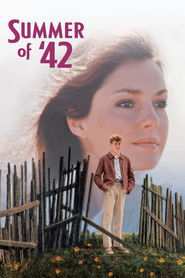
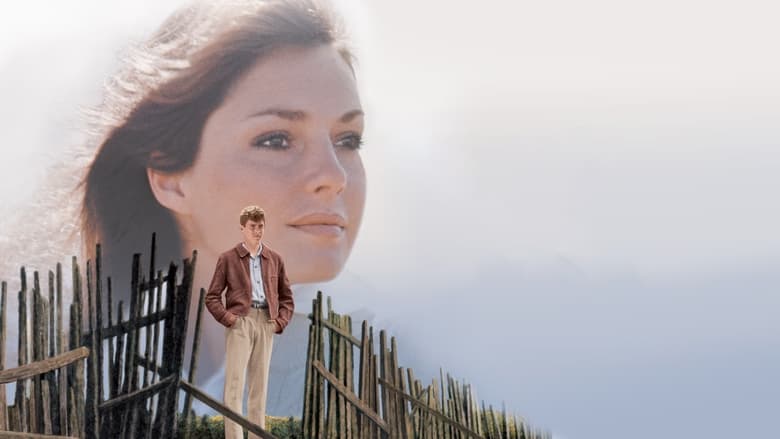
“Summer of ’42” is a nostalgic coming-of-age film that follows three teenage boys as they navigate the awkwardness of adolescence and the bittersweet lessons of first love. Set against the backdrop of a tranquil New England summer, the movie captures the innocence and intensity of youthful passion in all its glory. The story follows Hermie (Gary Grimes), as he falls head over heels for an older woman, Dorothy (Jennifer O’Neill), while his two best friends explore their own romantic affections. Through humorous pranks and heartfelt moments, “Summer of ’42” paints a moving portrait of young love and the fleeting beauty of youth.”
CLICK HERE🠇🠇🠇🍿_Watch Summer of ’42 1971 English Subtitles_
Review
In 1971, audiences were captivated by a film that would become a classic of its time. “Summer of ’42” tells the story of Hermie, a teenage boy who falls in love with an older woman while his friends are off fighting in World War II. The movie has proven to be timeless, with themes that resonate even to this day.
The storyline of “Summer of ’42” is one that many can relate to. Hermie is dealing with the complexities of growing up and discovering his own identity while also grappling with the weighty issues surrounding wartime. His infatuation with the older Dorothy is not only a reflection of his adolescent desires but also highlights the loneliness and longing felt by so many during times of war.
The plot takes some unexpected turns as Hermie tries to navigate his relationship with Dorothy, who is still grieving the loss of her husband. Despite a few missteps along the way, their connection deepens as they share their vulnerabilities and fears.
One fact about “Summer of ’42” that many may not know is that the film was based on real-life experiences. The movie’s writer-director, Robert Mulligan, drew upon his own memories of growing up during the war years and falling in love for the first time.
The cast of “Summer of ’42” includes some familiar faces from the era, such as Jennifer O’Neill, who plays Dorothy, and Jerry Houser as Hermie’s friend Oscy. But it was newcomer Gary Grimes who stole hearts with his portrayal of Hermie. His earnest and genuine performance made him a star overnight.
One iconic quote from “Summer of ’42” comes from Hermie’s voiceover narration near the end: “I’ve loved her for my entire life.” It perfectly encapsulates the depth and longevity of his feelings for Dorothy.
The acting and characters in “Summer of ’42” are both well-crafted and authentic. O’Neill’s performance as the grieving widow is particularly moving, as she conveys a sense of loss and yearning that is palpable.
The historical context of “Summer of ’42” adds another layer to the film’s appeal. The soundtrack features classic tunes from the era, such as “Moonlight Serenade” by Glenn Miller and “As Time Goes By” from “Casablanca.” The score perfectly captures the mood and atmosphere of the time.
Filming took place on location in Nantucket, Massachusetts, which lends the movie a sense of authenticity. The seaside setting creates a picturesque backdrop for Hermie’s coming-of-age story.
Critical evaluation of “Summer of ’42” has been largely positive over the years. The movie received four Academy Award nominations, including Best Supporting Actress for O’Neill and Best Adapted Screenplay for Mulligan. While it ultimately didn’t win any awards, its enduring popularity speaks to its enduring quality.
Cinematography in “Summer of ’42” is notable for its use of natural lighting and intimate camera work. The close-ups on Hermie’s face as he contemplates his feelings for Dorothy convey his internal struggles with subtlety and nuance.
Opinion on “Summer of ’42” varies depending on personal tastes, but many fans cite it as one of their favorite films from the era. Its themes of love, loss, and growing up are universal and timeless.
Several scenes in “Summer of ’42” stand out for their emotional impact. One moment sees Hermie breaking down in tears after an encounter with Dorothy leaves him feeling rejected and confused. Another sees him sneaking into her house to try on her husband’s military uniform, which represents both his desire to connect with her and his own fears about what lies ahead.
Gossip surrounding “Summer of ’42” includes rumors that O’Neill had a real-life affair with co-star Gary Grimes during filming. While there’s no concrete evidence to support these claims, they add a bit of intrigue and scandal to the movie’s legacy.
The soundtrack for “Summer of ’42” features a number of iconic songs that have become synonymous with the era. The Glenn Miller Orchestra’s “Moonlight Serenade” is particularly beautiful and haunting.
Analysis of “Summer of ’42” often focuses on its themes of love and loss in a time of war. The movie captures both the joy and pain of falling in love, as well as the difficult realities faced by those left behind during wartime.
Special effects in “Summer of ’42” are minimal, but the film’s use of natural lighting creates a sense of authenticity and intimacy. The lack of flashy visuals allows the story itself to take center stage.
Development on “Summer of ’42” began in the late 1960s when Mulligan began writing the script based on his own memories. It was initially met with resistance from Hollywood studios who were looking for more action-oriented fare, but Mulligan persisted and eventually secured funding.
Dialogue in “Summer of ’42” is well-written and evocative, capturing both the cadences of everyday speech and the poetry of young love. Hermie’s voiceover narration adds an extra layer of introspection to his character.
Crews working on “Summer of ’42” included some industry veterans such as cinematographer Robert Surtees, who had worked on classics like “Ben-Hur.” Their expertise helped create a polished final product that has stood the test of time.
Criticism lobbed at “Summer for ’42” usually cites its slow pacing and lack of action as negatives. However, these qualities also allow for greater emotional resonance with audiences who are invested in Hermie’s journey.
Production took place over several months in 1970, with filming occurring mostly on location in Nantucket. The natural beauty of the area adds an extra layer of visual appeal to the movie.
Editing in “Summer of ’42” is seamless, with the film’s emotional beats flowing smoothly from one scene to the next. Mulligan’s choices in terms of shot selection and pacing make for a cohesive and well-structured story.
In conclusion, “Summer of ’42” is a classic film that continues to resonate with audiences today. Its timeless themes, powerful performances, and evocative visuals all contribute to its enduring popularity. Whether you’re a fan of coming-of-age stories or simply appreciate a well-crafted film, “Summer of ’42” is sure to leave an impression.
Technical Data
- Runtime : 103
- Release : 1971-04-19
- Genre : Comedy, Drama, Romance
- Cast : Jennifer O’Neill as Dorothy, Gary Grimes as Hermie, Jerry Houser as Oscy, Oliver Conant as Benjie, Katherine Allentuck as Aggie
- Crew : Albert Brenner as Production Design, Folmar Blangsted as Editor, Marvin March as Set Decoration, Robert Mulligan as Director, Robert Surtees as Director of Photography
- Popularity 9.942
- Budget : 0
- Revenue : 0
- Company : Warner Bros. Pictures
- Summary : Over the summer of 1942 on Nantucket Island, three friends — Hermie, Oscy and Benjie — are more concerned with getting laid than anything else. Hermie falls in love with the married Dorothy, whose husband is an army pilot recently sent to the battlefront of World War II.
- Tagline : In everyone’s life there’s a “Summer of ’42”
