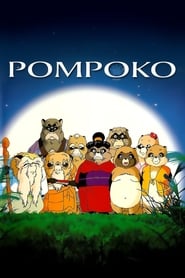
“Pom Poko” is a 1994 Japanese animated film about a community of shape-shifting raccoons fighting against human development. The film features stunning and imaginative animation, including scenes of transformation and magical battles. The raccoons use their supernatural abilities to protect their home from destruction, while also struggling with the internal conflicts caused by their continued conflict with humanity. The film offers a compelling commentary on environmentalism and the human impact on nature, told through the eyes of these fascinating creatures. Ultimately, “Pom Poko” is a powerful and visually stunning exploration of the relationship between humans and nature, and the consequences of our actions.”
CLICK HERE⤓⤓⤓👉🏼_Watch Pom Poko 1994 English Subtitles_
Review
In the world of animation, Pom Poko stands as one of the most memorable and creative movies of our time. This bittersweet tale of Japanese tanukis trying to save their forest from development by using their shape-shifting abilities is a masterpiece by Isao Takahata, the same director responsible for such classics as Grave of the Fireflies.
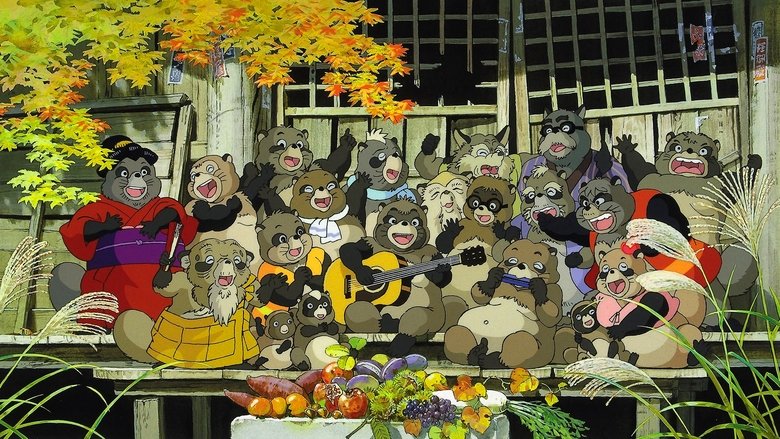
As the movie opens, we are introduced to these adorable animals who are not only mischievous but also quite cunning. They are like playful children running around in the lush green forests near Tokyo. However, their world is soon disrupted when human developers start clearing land for construction projects. The tanukis are determined to save their home and so they unite in an effort to stop this progress.
The storyline is rich with humor, sadness, and drama that will tug at your heartstrings. It’s difficult not to empathize with these creatures because they remind us of our own struggles against corporate greed and environmental destruction. These tanukis may be fictional characters, but they represent something much larger than themselves.
The plot itself is imaginative and well crafted. The tanukis use their powers to transform into almost anything imaginable – from humans and giant monsters to everyday objects like cars or telephone poles. It’s fascinating how much detail goes into every scene, including tiny details like leaves rustling in the wind or shadows playing on walls.
The casts’ voice acting is remarkable; it adds an emotional depth that brings these animals to life. It’s easy for viewers to get attached to each character and care about them even more than human characters in other films.
The movie’s score complements each scene perfectly. From cheerful themes when fun things happen, to somber music that reflects on sad events or moments of loss, it enhances our experience as watchers.
Despite its popularity worldwide, Pom Poko never received any major awards other movies have gotten recognized for. However, it didn’t stop audience or critiques alike from acknowledging it as one of the best-animated movies ever made.
Filming this movie was no easy feat. Each scene was carefully planned and executed, with each setting uniquely designed to fully bring out the story’s essence. The director and his skilled animation team put in countless hours of hard work to create such an intricate world from scratch.
The cinematography is breathtakingly beautiful, with a different atmosphere in almost each scene. It underscores how much thought went into every aspect of the film’s creation.
Pom Poko showcases exceptional animation quality that hasn’t aged at all. It’s no surprise given Studio Ghibli’s reputation for producing high-quality films.
Talking about special effects, Pom Poko is a true masterpiece; they blend seamlessly into the story’s narrative. They’re not just good-looking visuals but also serve to build a sense of reality for the viewer.
The dialogue is witty, emotional, and genuine. Though Japanese in origin, it doesn’t limit viewers from different parts worldwide because of subtitles that keep up with every conversation effortlessly.
When it comes to crews, Studio Ghibli produced excellent work behind this film as well as other movies in their collection. There couldn’t be better people than them creating such beautiful art like Pom Poko.
The criticism this movie faced was mostly only towards how long it was (a little over two hours). However, critics didn’t find much else wrong with the movie because it’s so well crafted and engaging that viewers hardly notice how long it goes on for.
In terms of production value, Pom Poko had an estimated budget of around $9 million (USD), which was nothing compared to other animated movies made then or now. Regardless of its relatively low-budgets scorecard while being an extravagant piece of art is famous both commercially and creatively.
Overall Pom Poko is an artistic tale that reflects on Japan’s relationship with nature past and present. The storyline carries enough depth that tells us how important our actions impact nature as a whole. The visuals blend seamlessly with the story, making this a must-watch that will entertain and inspire any viewer. It is a film classic worth sitting down and watching with your loved ones.
Technical Data
- Runtime : 119
- Release : 1994-07-16
- Genre : Adventure, Animation, Fantasy
- Cast : Makoto Nonomura as Shoukichi (voice), Nijiko Kiyokawa as Old Fireball / Oroku (voice), Shigeru Izumiya as Gonta (voice), Norihei Miki as Seizaemon (voice), Yuriko Ishida as Kiyo (voice)
- Crew : Hayao Miyazaki as Executive Producer, Hayao Miyazaki as Story, Isao Takahata as Screenplay, Isao Takahata as Director, Toshio Suzuki as Producer
- Popularity 22.92
- Budget : 0
- Revenue : 0
- Company : Studio Ghibli
- Summary : The Raccoons of the Tama Hills are being forced from their homes by the rapid development of houses and shopping malls. As it becomes harder to find food and shelter, they decide to band together and fight back. The Raccoons practice and perfect the ancient art of transformation until they are even able to appear as humans in hilarious circumstances.
- Tagline : A Fantastic Tale Of Survival
